


The Key to Unlocking Young Minds

Updated: May 15, 2025

How Block-Based Programming Boosts Brain Development
Early childhood is a golden period for brain development. During this time, the brain rapidly forms new neural connections that shape how children think, learn, and solve problems. Coding, especially through block-based programming, plays a vital role in stimulating young brains and developing essential cognitive skills.
The Link Between Brain Development and Problem-Solving Education
1. Rapid Brain Growth
By the age of 5, a child’s brain reaches 90% of its adult size, with neural networks forming at an incredible pace.
Engaging in problem-solving activities like coding strengthens these connections, supporting optimal brain development.
Early childhood is the most effective time for learning new skills due to the brain’s high plasticity. Engaging in coding during this period enhances memory, flexibility, and focus【22】.
2. How Coding Impacts the Brain
Coding activates both hemispheres of the brain: the left (logical thinking) and the right (creative problem-solving).
Research shows that in the first few years of life, over 1 million neural connections form every second. These connections are strengthened by repeated use, shaping the brain's capacity for learning and problem-solving【21】【22】.
Block-based programming, in particular, enhances spatial reasoning and pattern recognition through visual stimulation.
Activities like block-based programming encourage children to break problems into smaller steps, analyse patterns, and execute solutions. This strengthens neural circuits crucial for higher cognitive functions【21】.
3. Fostering Flexible Thinking and Focus
Learning to code at an early age trains the brain to approach challenges from multiple perspectives, promoting cognitive flexibility and improving concentration.
Supporting Evidence
Harvard University’s Center on the Developing Child explains that early experiences shape the brain’s architecture, providing a strong foundation for learning: Science of Early Childhood Development【21】.
The American Academy of Pediatrics highlights the importance of early learning in strengthening neural circuits through engaging activities: Early Brain Development【22】.

Why Early Coding Education Matters
1. Building Problem-Solving Foundations
Coding teaches children how to break problems into smaller, manageable steps, fostering logical thinking from an early age.
2. Equipping for a Digital Future
Coding is more than a skill—it’s a foundational literacy for navigating and succeeding in a technology-driven world.
3. Maximising Brain Plasticity
The earlier children are exposed to stimulating activities like coding, the more adaptable and efficient their brains become at learning.
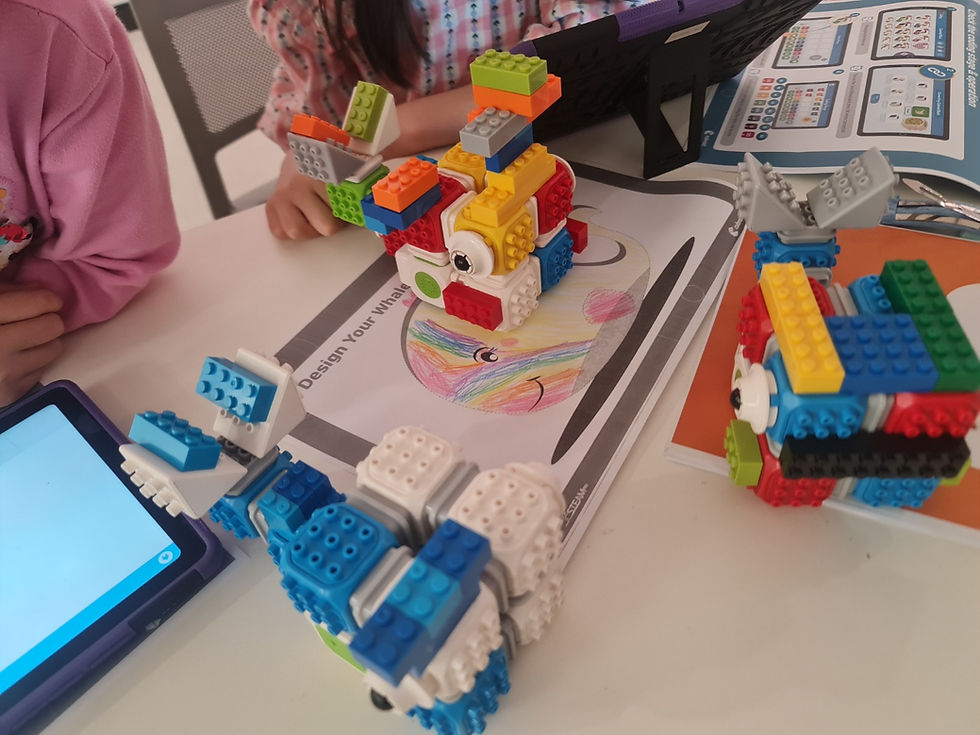
Block-Based Programming: A Fun, Accessible Learning Tool
At our centre, Thinking Tree Coding, we introduce children as young as 4 to coding through block-based programming languages. These tools are specifically designed to make learning enjoyable and effective:
Unplugged Activities: Fun, hands-on exercises that teach coding principles without the need for a device.
Scratch Junior: Simplified for ages 4-7, focusing on storytelling and basic coding concepts.
Scratch: Encourages creativity as children design games, animations, and stories.
Kami block and Curo block etc: A variety of robots and platforms to extend interest and help expand thinking skills.
During the most critical years for brain development, coding provides the perfect blend of cognitive training and skill-building. Our block-based coding programs are designed to help children not only learn but thrive, preparing them for a bright future in a digital world.
Invest in your child’s future today—because what they learn now shapes who they’ll become tomorrow.


Comments